
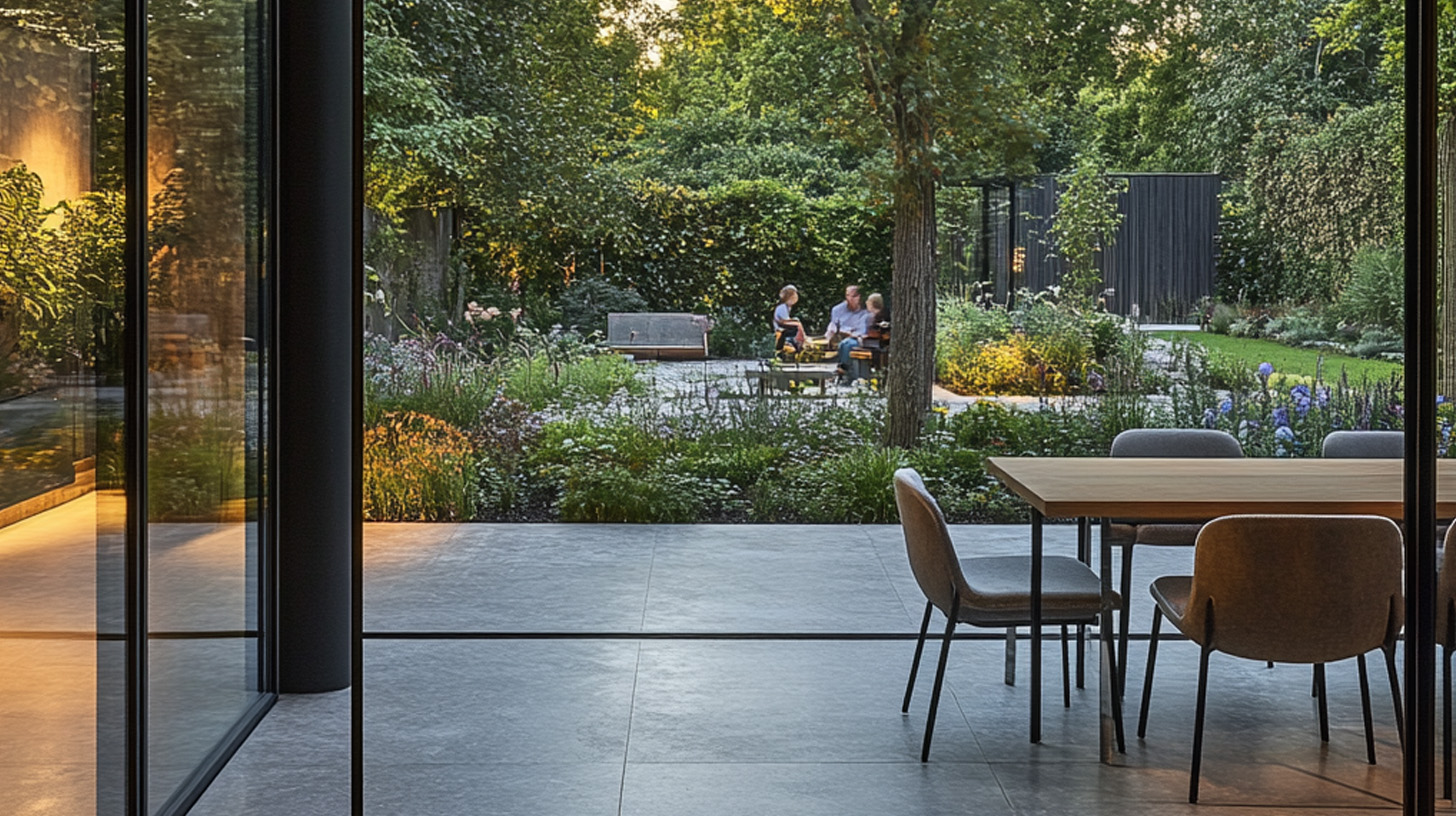
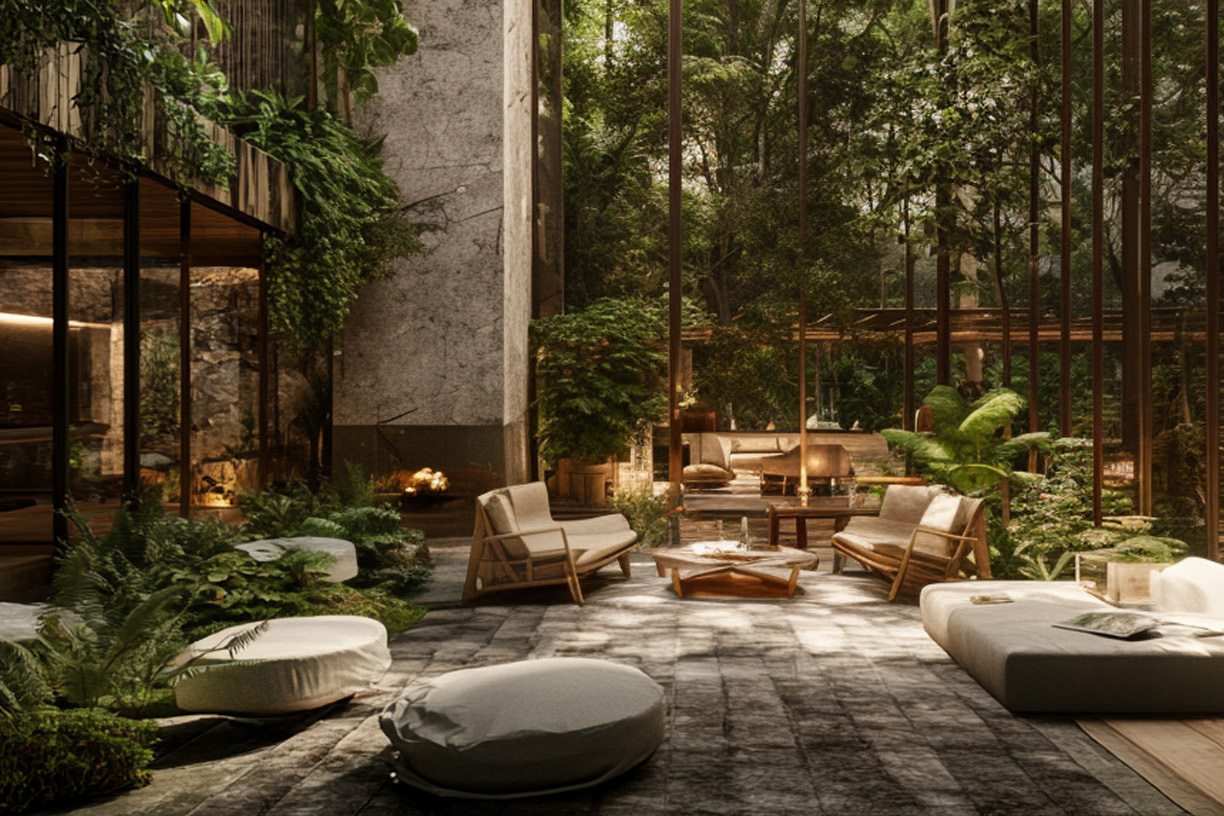
In a world driven by novelty and speed, the most radical thing we can do is design something built to last.
Trends come and go. Climate patterns shift. Lives change. But in the midst of it all, there is a design approach that resists waste, withstands time, and quietly nurtures life: timelessness.
Timeless garden design isn’t about a fixed aesthetic. It’s about clarity, integrity, and restraint. It’s design that doesn’t demand attention — it earns respect. And it may just be the most sustainable choice we can make.
Sustainability Starts with Restraint
Sustainability doesn’t begin with materials. It begins with mindset. With the ability to ask: what do we really need here — and what’s just noise?
Designing with restraint doesn’t mean holding back beauty. It means letting purpose lead. It means selecting only what serves the space, the people who live there, and the ecology it sits within.
Because every unnecessary feature has a cost — not just to your budget, but to the land. Restraint is not limitation. It’s clarity. And clarity is what allows design to endure.
Timelessness Reduces Waste (In Every Sense)
There’s a quiet crisis in garden design: the throwaway garden.
Spaces that impress on day one but unravel quickly — because the layout is trendy, the materials are poor, or the planting overwhelms the space. Within a few years, the garden is ripped out and redone.
The waste here is not just physical — it’s emotional, financial, ecological. It disrupts soil structure. It unseats wildlife. It adds to landfills. And it all stems from short-term thinking.
Timeless design solves this at the root:
- Spatial planning that adapts and endures
- Materials that weather well and can be repaired, not replaced
- Planting that matures in place — not out of it
- Infrastructure that quietly supports change without requiring overhaul
Sustainability often means not starting again. And the most sustainable gardens are often the ones designed well the first time.
Longevity Is a Quiet Form of Care
When you design for time, you design with care.
A garden that lasts doesn’t need constant correction. It needs stewardship. Light maintenance. Occasional adjustment. But its bones remain strong.
When layout, scale, and materials are chosen wisely — when planting is scaled to the setting and nurtured through succession — the garden becomes an anchor. Not a burden.
It continues to support not just the current owners, but whoever lives there next. We often say: a good garden supports the life the home is built for — not just the person who lives there now.
Designing for Successive Occupants
Most gardens won’t stay with one family forever. That’s why timeless design considers those who will come next. A garden should feel welcoming and functional for future residents — adaptable enough to serve different needs, yet grounded enough to hold its identity.
When we design with future occupants in mind, we prevent unnecessary overhauls, protect ecological continuity, and leave behind a space that holds value across generations.
This isn’t just smart design. It’s responsible legacy building.
Timelessness Is Slow Design — And That’s the Point
Timeless gardens are not rushed. They’re revealed.
They begin with observation — of light, movement, and daily life. They often unfold in phases, allowing form to emerge and settle, and for planting to develop slowly and truthfully over time.
In a culture obsessed with immediacy, this kind of patience feels radical. But it’s also responsible. Because when we allow the garden to become, we avoid the biggest cause of waste: redoing.
This is not inefficiency. It’s intelligence. It’s the kind of design that continues to give long after the first season has passed.
Designing with Time in Mind
Nature doesn’t rush — and it doesn’t cling. It adapts. It responds. It trusts in cycles and process.
We design with this same philosophy. That means:
- Choosing materials that age with dignity
- Planning for ecological succession — not just visual impact
- Creating layouts that hold integrity through life’s inevitable changes
We also favour materials that gather character over time. Timber that silvers. Stone that softens. Finishes that develop patina rather than demand polishing. These aren’t signs of wear — they’re signs of life. Of a space that has been lived in, not just looked at.
Timeless gardens aren’t static. They evolve. But they evolve from a foundation that was right to begin with.
Timelessness Is an Emotional Anchor
Some gardens stay with us not because of how they looked — but because of how they made us feel. That’s the kind of garden that becomes timeless.
When we design, we don’t just think about beauty. We think about memory. Sensory rhythm. Belonging. What lingers is often the way light caught a path or the scent of rosemary on a warm breeze — not the latest planting trend.
Timeless design recognises this. It draws on quiet emotional cues — softness, rhythm, honesty — that help a space resonate deeply, even decades later.
We’re not chasing timelessness for style. We’re designing for connection. And connection doesn’t go out of date.
Ecological Intelligence Without Spectacle
Timeless gardens are ecologically intelligent. Not because they shout about it — but because they quietly enable life to flourish.
They offer layered structure. Seasonal transition. Shelter and food for pollinators. Root systems that improve soil and hold moisture.
Ecology is not a feature we add — it’s a principle we embed.
You don’t need a vast site. Just intention. Timeless gardens contribute to biodiversity without performance. They do their work quietly — like nature does.
Final Thought: The Courage to Design for What Matters
Timelessness isn’t about freezing time. It’s about designing with truth. About making decisions that will still hold meaning long after the catalogue has changed.
We’ve worked with clients seeking not a showcase, but a sanctuary — places that don’t demand attention but offer it. Spaces that quietly evolve with their lives. That hold family stories, support everyday rituals, and ask nothing more than to be used and loved.
We’re not interested in chasing what’s next. We’re interested in asking: what will still matter in 50 years? And designing for that — with honesty, humility, and care.
Because gardens that follow fashion will always fade. But gardens that follow truth will always last.
That’s not compromise. That’s legacy.
Call to Action
If you’re looking for a garden that will still feel right — not just look good — in 20 years, we’d love to help.
Because timeless design isn’t just a style. It’s a form of care that lasts.
SEO Meta Description:
Timeless garden design is about more than aesthetics. Learn how restraint, rhythm, and long-term thinking reduce waste, protect ecology, and create spaces that last — and matter.