

Why thoughtful planning always outperforms decoration in garden design
Creating a garden isn’t about adding things — it’s about removing uncertainty.
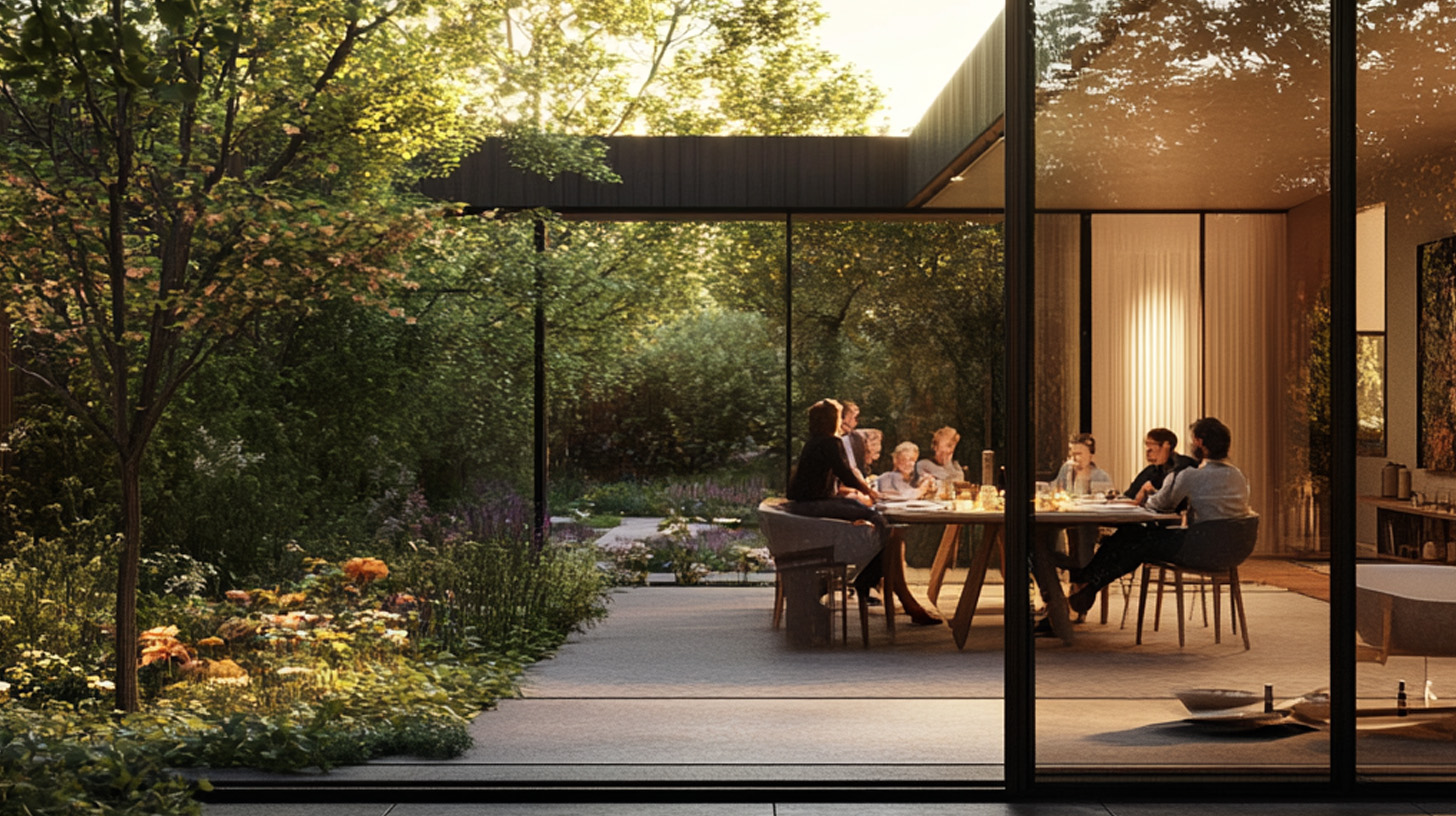
At the beginning of most projects, clients come to us full of excitement and inspiration: pergolas, fire pits, water features, zones for entertaining. But when you peel back the layers, there’s often something deeper they’re hoping to achieve: calm, connection, ease of use, and a meaningful relationship with the outdoors.
That doesn’t come from features. It comes from function.
Start with What You Need to Feel — Not What You Think You Should Have
In high-end garden design, it’s easy to be swept up in visuals. But beautiful images alone rarely solve daily frustrations — lack of privacy, awkward access, unused corners, or gardens that feel disconnected from the home.
When we begin with function, we ask questions like:
- Where do you spend time — and at what time of day?
- What do you want the space to offer you?
- What should the garden help you feel, and how do you want to use it differently?
These questions don’t just inform layout — they shape experience. A firepit might seem essential. But if you never sit out at night, or live in an exposed, windy site, it may never be used. A better investment might be reshaping the space to give wind protection, layered privacy, or sun-filled seating that supports daily rituals.
Similarly, many clients ask about outdoor kitchens or bar areas. These can be wonderful — but only when they support a lifestyle that already values alfresco hosting. Without regular use, they can become expensive relics. By contrast, a well-placed bench, tucked beside fragrant planting with a beautiful view, might become a daily retreat.
Flow, Privacy, and Purpose Define the Best Gardens
Function isn’t the opposite of beauty — it’s the foundation for it. Some of the most compelling gardens we’ve designed have come from simple yet powerful shifts:
- Replacing underused lawn with layered beds and a winding path, encouraging slow movement
- Creating zones that serve morning reflection or evening socialising, rather than a one-size-fits-all layout
- Aligning planting and structure with key views, sun angles, and privacy needs — instead of defaulting to symmetry or trend
Gardens designed this way don’t just look good. They feel lived in. They support rhythm and routine. And they reveal new moments over time, rather than becoming static showpieces.
Good flow in a garden doesn’t mean everything is visible at once. In fact, partial concealment can be more compelling. Curved pathways, framed thresholds, and varied levels create a sense of exploration and allow different moods to coexist within the same space.
Why Features Can Distract From What Really Matters
Features have their place — but they’re not the backbone of good design. When added without purpose, they often create:
- Visual clutter that disrupts flow
- Maintenance headaches that steal enjoyment
- Imbalanced layouts where one element dominates and the rest is neglected
The truth is, many high-cost features age poorly or go unused. A garden built around lifestyle and layout will last longer — in both form and function.
Instead of focusing on novelty, we encourage clients to think about rhythm: What elements will enhance your life week after week, not just in the first few months? What moments do you want the space to hold? When we start there, everything added has a reason to exist.
Function First Doesn’t Mean Minimalism — It Means Meaning
This philosophy doesn’t exclude artistry or beauty. In fact, when the functional layer is right, the aesthetic layer can shine without feeling forced.
Well-placed lighting enhances paths you actually use. Sculptural planting softens the boundaries that were deliberately shaped. A terrace feels like an invitation, not an obligation — because it’s situated where people naturally gravitate.
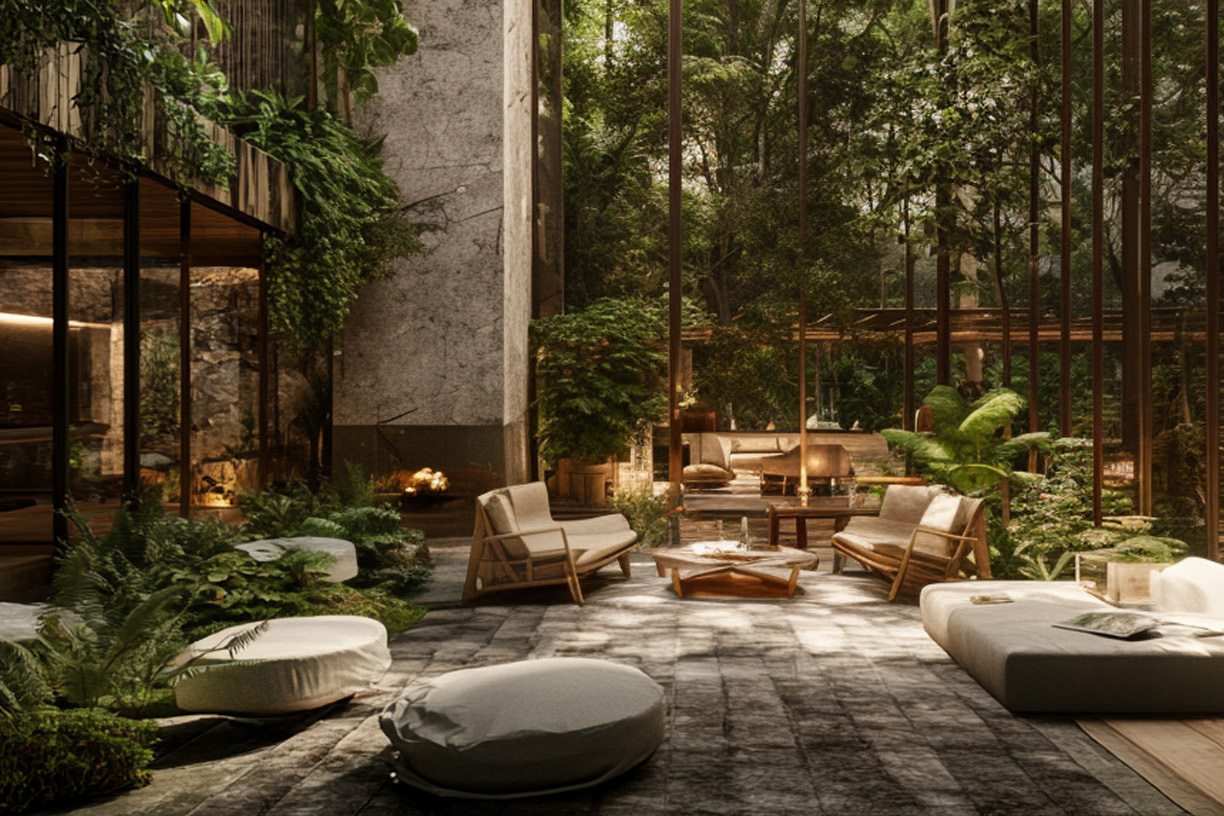
Likewise, material choices gain context. A reclaimed stone step has more impact when it leads somewhere meaningful. A water feature, when placed at the edge of a sitting area, becomes ambient — not decorative. Everything earns its place.
Function is not about saying “no” — it’s about saying “yes” to what matters.
Design With Intention, Build With Confidence
A garden rooted in function grows into itself. As life unfolds — children grow up, habits evolve, gatherings become more or less frequent — the space adapts. That’s the power of intelligent design.
When we lead with features, gardens often need revisiting. When we lead with purpose, they quietly serve for years.
This also has a practical benefit. Functional clarity in the design stage helps streamline build costs and avoid retrofits. Infrastructure can be installed at the right time. Zones can be planned to accommodate future use. Maintenance can be anticipated rather than feared.
Final Thought: Don’t Just Add — Align
The best gardens aren’t the ones with the most to look at. They’re the ones that feel like they’ve always been there. And that starts with choosing function before features.
When a space works well, beauty feels inevitable.
Meta Description:
Features come and go — but functional design endures. Discover why the best gardens start with purpose, flow, and daily rhythm, not just decoration.
Suggested Social Post:
A firepit doesn’t make a garden useful. But a space designed for how you live — that’s lasting value. Read why function always comes first.
Pull Quotes:
- “Function is not the opposite of beauty — it’s the foundation for it.”
- “Design isn’t about adding more. It’s about aligning with what matters.”
- “A garden rooted in purpose won’t need reworking — it will evolve with you.”
- “When space works, features become supportive — not central.”
“The best gardens feel inevitable — like they were always meant to be.”