
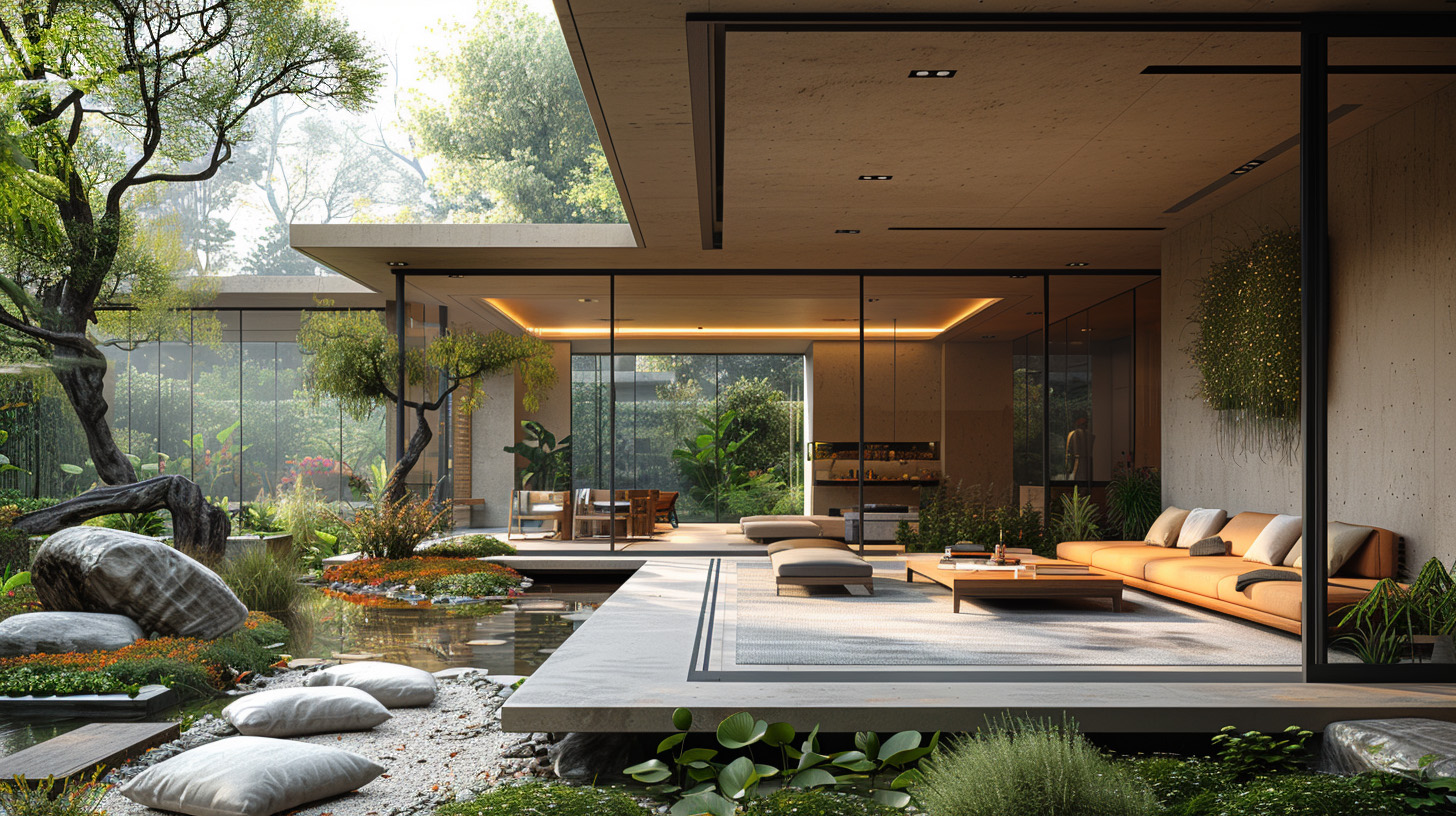
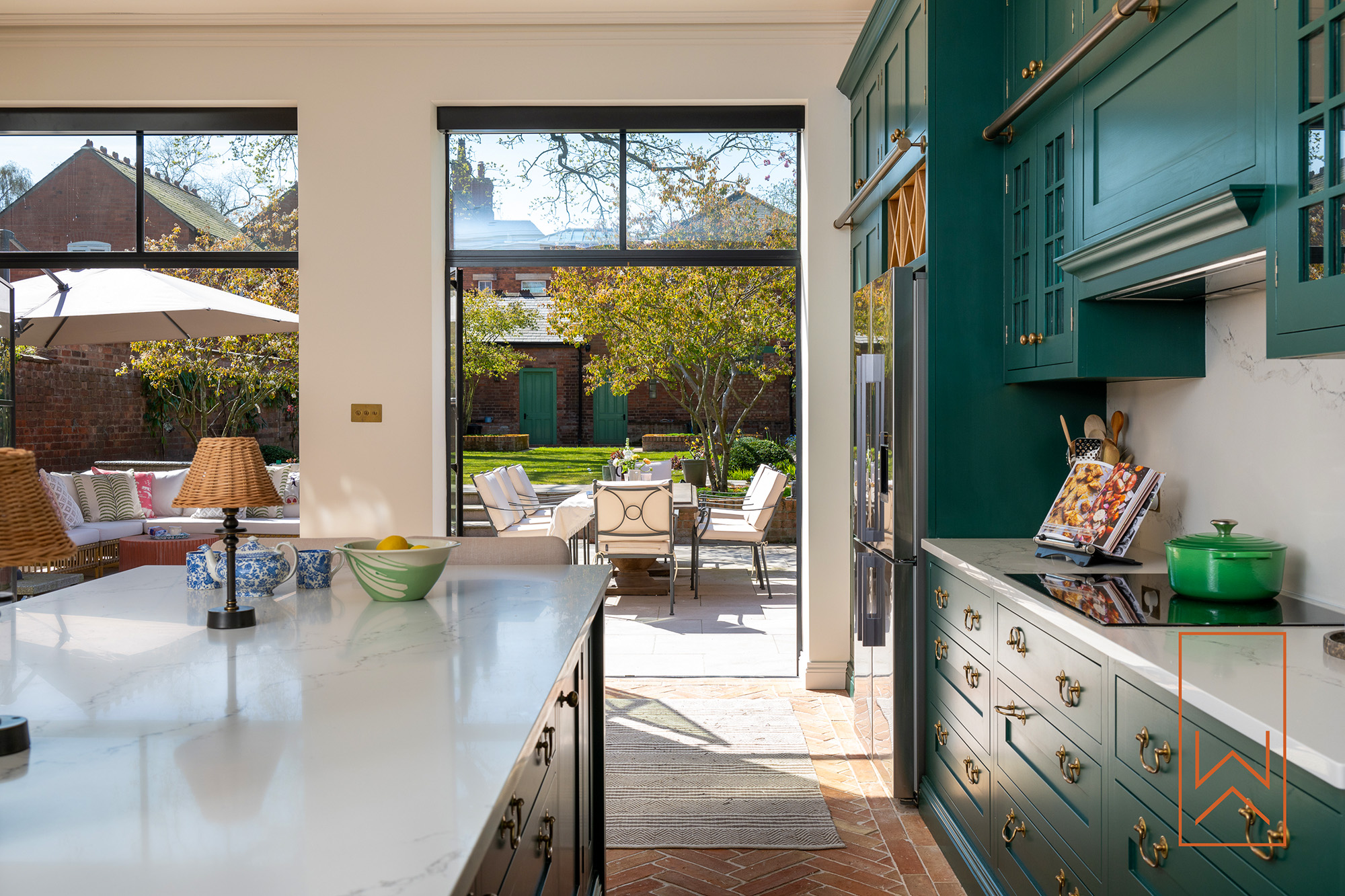
The most successful outdoor spaces do not stand in isolation; they are inextricably linked to the architecture they surround. A well-designed garden is not a separate entity but a continuation of the built world—an environment that enhances and responds to the home, rather than merely complementing it.
For too long, outdoor spaces have been relegated to an afterthought in the design process. Landscapes are often conceived once the architecture is complete, resulting in a disconnect between the two. This fragmented approach diminishes the potential of both the home and the garden. Instead, outdoor spaces must be designed in parallel with architecture—woven into its fabric, sharing its materiality, spatial logic, and intent.
The Integration of Home and Landscape
A seamless connection between home and garden does not happen by accident—it is the result of deliberate design choices:
- Shared Materiality – Using consistent materials such as stone, timber, and metal ensures a visual and textural harmony between indoor and outdoor spaces.
- Framing and Thresholds – Strategic openings, framed views, and structured transitions create a fluid movement between inside and out.
- Functional Continuity – Outdoor spaces must be programmed with the same level of intention as interior rooms—areas for dining, retreat, and gathering must feel as considered as those within the home.
- Lighting as a Connector – Thoughtful exterior lighting extends the perception of space, making the garden an integral part of the home’s evening experience.
The Psychology of Seamless Space
The way a space makes us feel is as important as its aesthetic. When architecture and landscape design are unified, they create a sense of wholeness—a natural flow that allows occupants to move intuitively between spaces, rather than experiencing abrupt transitions.
- Blurred Boundaries – Courtyards, terraces, and covered outdoor rooms dissolve the line between built and natural.
- Human-Centric Design – Just as interior spaces are designed for comfort and functionality, outdoor environments must support movement, rest, and interaction.
- Layered Transparency – Materials such as glass walls, latticed screens, and semi-open pergolas allow for degrees of separation without complete division.
Architecture That Breathes with Nature
When a garden becomes an architectural element rather than an appendage, it transforms the home into a living, breathing entity that evolves with time and seasonality.
- Microclimate Management – Thoughtful planting and water features regulate temperature, humidity, and airflow, reducing reliance on artificial climate control.
- Sound and Sensory Depth – Running water, rustling foliage, and natural textures enhance the sensory experience of a home.
- Temporal Beauty – Unlike static architecture, landscapes evolve. The best designs anticipate growth, decay, and regeneration, embracing change rather than resisting it.
The Future of Unified Design
The next frontier in architecture is one where buildings and landscapes are not designed as separate disciplines but as interdependent forces that shape human experience. The future belongs to spaces that do not simply contain nature but are deeply integrated with it.
- Courtyards as Living Rooms – Semi-enclosed spaces that function as true extensions of the home.
- Multi-Use Terraces and Verandas – Elevated spaces that offer flexibility in function and seamless interaction with nature.
- Sustainable Synergy – Green roofs, natural cooling elements, and permeable surfaces ensuring that outdoor design contributes to environmental resilience rather than depleting resources.
A Shift in Mindset
We must reject the outdated notion of the garden as a decorative appendage and embrace a future where outdoor spaces are conceived as architecture in their own right.
A well-designed garden should not feel ‘added’—it should feel inevitable, as if the home could not exist without it. This is the new standard: a world where landscape and architecture are no longer separate entities, but one continuous, seamless experience.