
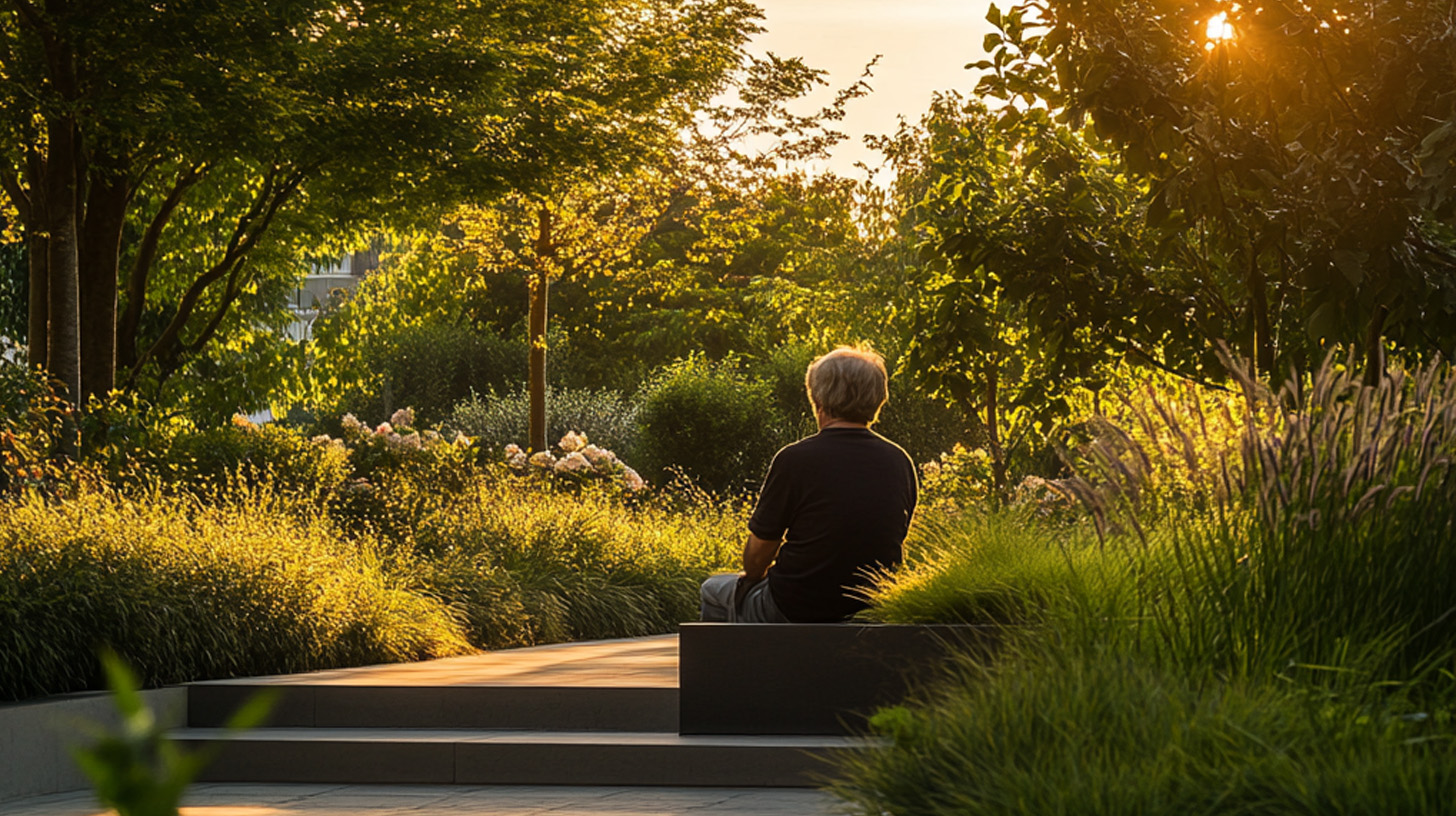
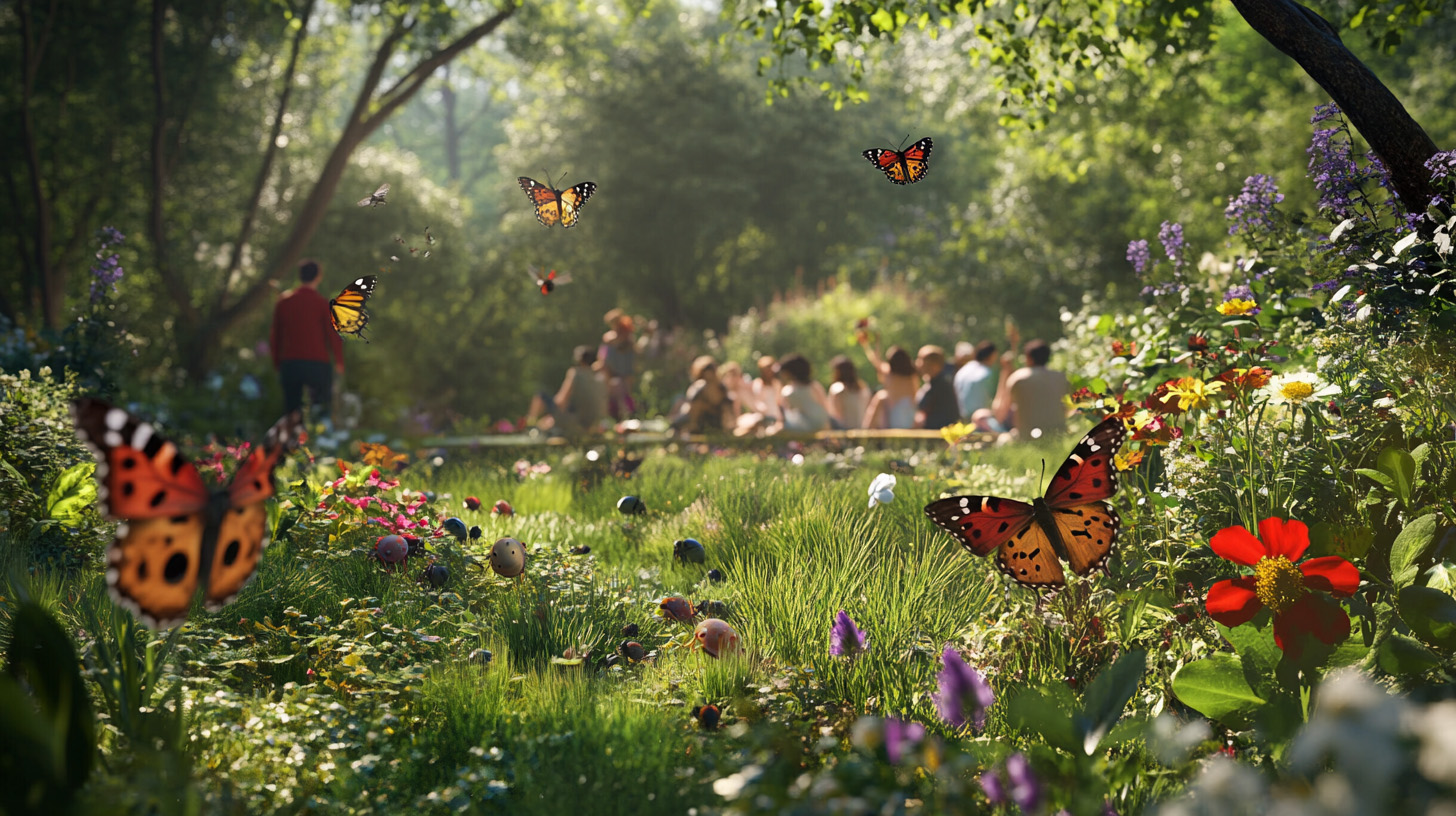
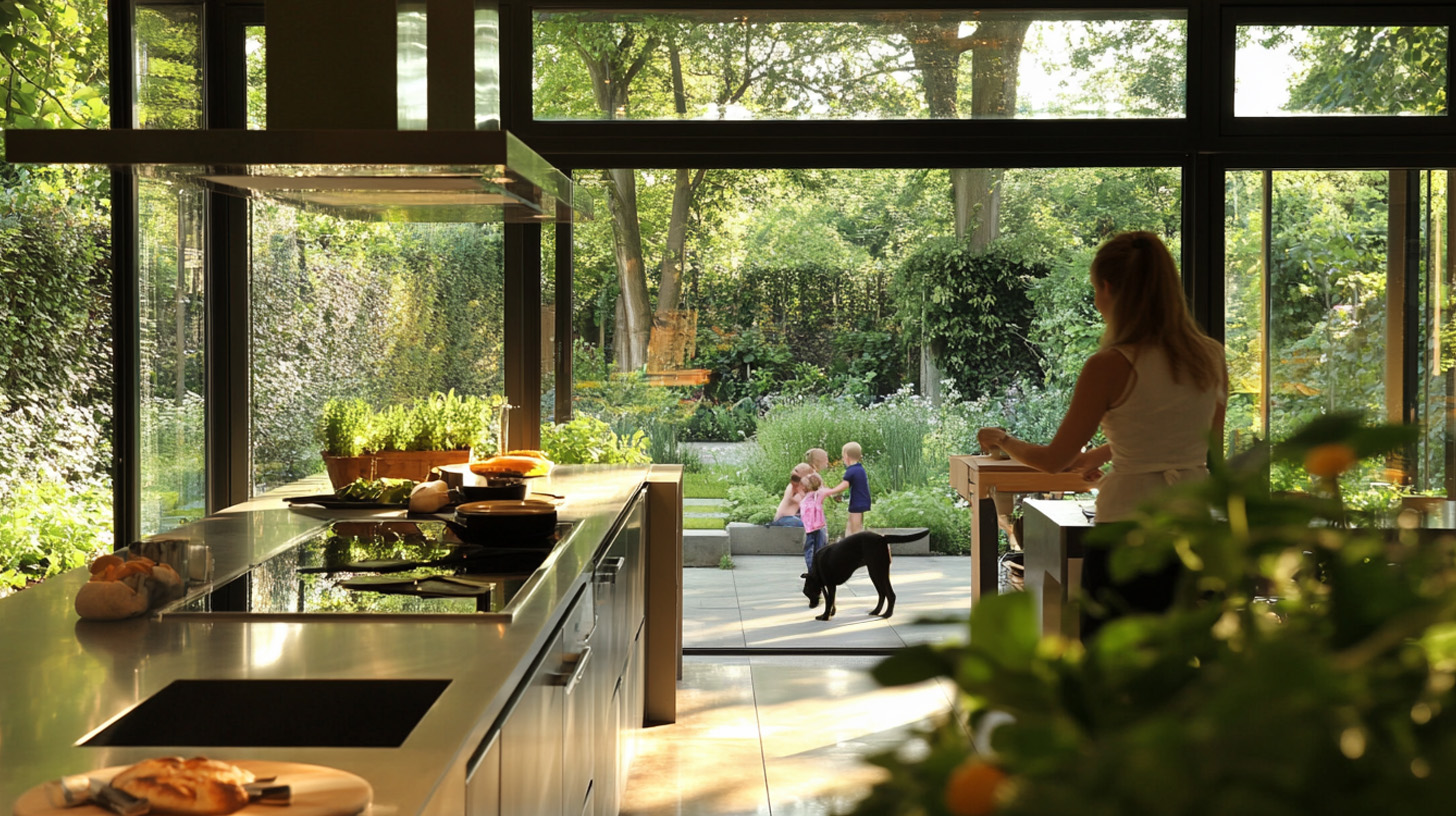
Modern life encourages us to override natural rhythms — to keep going, keep producing, keep busy. But the body doesn’t follow digital calendars. It responds to light, change, and season. And so does the garden.
Well-designed outdoor space doesn’t just support function or aesthetics. It creates a space where people can attune to a different pace. One that echoes life itself — expanding and contracting, blooming and receding, shifting and returning.
In this way, gardens become more than environments. They become mirrors. They reflect where we are, and sometimes, they show us where we’re heading next.
Why This Matters Now
In an age of digital overstimulation, constant availability, and performance-driven living, many people are emotionally stretched. We’re flooded with information but disconnected from the physical cues that ground us — season, breath, light, rest.
Gardens, by contrast, offer a slower rhythm. They aren’t demanding. They don’t push. They gently return us to the present. And in that return, we often rediscover our internal pace — the one that’s been drowned out by urgency and noise.
This is where the garden’s true value lies: not just in what it looks like, but in how it helps us feel. To reflect. To process. To move through life with greater steadiness.
The Garden as Emotional Companion
Gardens are never static. They swell with life, settle into stillness, and slowly change shape over time. And in that, they reflect the truth of what it means to be human.
Some days, you want to be still. Others, you need movement. The garden allows for both — without judgement. It doesn’t rush or correct. It simply continues.
Unlike built environments, which are often rigid and performance-based, gardens are forgiving. They evolve. They soften with time. They invite participation but never demand it.
Designing with this in mind means creating gardens that breathe. Planting schemes that shift across the year. Materials that weather gracefully. Views that change with the light.
These natural shifts echo emotional ones — providing gentle companionship through transition, uncertainty, or reflection. For many people, that sense of resonance can be deeply grounding.
Seasons as States of Being
Each season brings a different energy — and gardens let us feel those changes physically, not just mentally.
- Spring: Emergence, optimism, energy. The return of light and new life often mirrors our own desire to start again. It’s a time of initiative, ideas, and physical momentum.
- Summer: Connection, celebration, fullness. Gardens feel social, abundant, open — inviting gathering, colour, and sensory immersion.
- Autumn: Letting go, reflecting, preparing. A slowing rhythm and softening tones encourage inward movement. It’s a season that supports transition and re-evaluation.
- Winter: Stillness, resilience, depth. Gardens may look bare, but they’re quietly storing energy — just as people often need time to rest, integrate, and protect capacity.
Designing for seasonal change is not just about interest — it’s about emotional alignment. A garden that looks the same all year might be easy to maintain, but it risks feeling disconnected from the way people actually live and feel.
By honouring the seasons, we create outdoor spaces that evolve with the human experience — spaces that validate quiet, welcome transition, and support growth over time.
Ritual, Continuity, and the Power of Noticing
Even without actively gardening, people develop rituals in how they experience outdoor space. A favourite view. A daily walk past a plant that changes slowly. The return of familiar scents each year.
These rhythms matter. They create continuity. In times of upheaval or uncertainty, that familiarity can be incredibly steadying. A perennial emerging year after year reminds us that not everything disappears. That some things return, even if they go quiet for a while.
Design can support this kind of subtle relationship. By choosing planting that develops gradually, by designing spaces that invite repeated use or simple observation, we create conditions for deeper connection.
These are the kinds of spaces people return to not out of novelty, but because they feel safe. Familiar. Meaningful.
How to Design with Rhythm in Mind
Designing emotionally resonant gardens doesn’t require sentimentality — it requires awareness. When we pay attention to how space and planting support emotional rhythm, we design spaces that are lived with, not just looked at.
Key strategies include:
- Layered planting with staggered bloom times — creating waves of change that invite attention and reflection.
- Use of natural materials that weather gracefully — ageing becomes part of the design, not a flaw.
- Framing moments of change — allowing seasonal shifts to be experienced consciously, such as a view that captures the first leaf fall or morning frost.
- Balancing stillness and stimulation — a quiet corner for solitude, balanced by a brighter, more energising space for social interaction.
These elements don’t require large budgets or expansive sites. They require clarity of intent: what should this garden feellike across time?
This approach also helps reduce the tendency to fight against seasonal dormancy or imperfection. When a garden is designed with rhythm in mind, there’s less pressure to keep it ‘picture perfect’ year-round. Instead, there’s permission to let it rest, recover, and express natural change — just as people do.
Designing for Emotional Resonance
This isn’t about romanticising nature. It’s about designing with emotional intelligence — choosing elements that reflect the truth of human experience.
- Form: Rounded shapes and organic movement tend to feel softer, more grounding.
- Pacing: Some areas might feel open and expansive. Others more intimate and slower.
- Planting: Seasonal layers offer visual rhythm and emotional cues throughout the year.
- Sound and light: Movement, shade, texture — all support the emotional tone of a space.
We’re not just creating beauty. We’re creating environments that support the full spectrum of feeling — joy, reflection, rest, and growth.
A Garden That Lives with You
When you design with emotional resonance in mind, the garden becomes something more than backdrop. It becomes part of the emotional fabric of life.
It holds memories. Marks transitions. Offers small but meaningful rituals that shape each day.
A good garden matures. It changes. But it doesn’t leave. In that way, it can feel like a companion — one that grows as you do.
Designing in this way ensures that gardens not only age well — they become more relevant over time. More deeply connected to the people who live alongside them.
Because when a garden reflects the rhythm of life, it becomes more than a space. It becomes a source of steadiness in an ever-changing world.
Meta Description: Great gardens don’t just grow — they reflect and support your inner life. Learn how seasonal design and emotional rhythm come together outdoors.
Suggested Social Post: Gardens change — and so do we. Here’s how planting, rhythm, and season can create outdoor spaces that reflect and support emotional wellbeing.
Pull Quotes:
“A garden doesn’t rush or correct. It simply continues.”
“Designing with the seasons in mind helps people feel seen — not just served.”
“The return of a plant reminds us: not everything disappears. Some things come back.”
“Gardens grow. So do we. Design can help those rhythms meet.”
“Design isn’t just spatial. It’s emotional intelligence applied to place.”