

— ecologically, socially, economically — the decisions we make in our outdoor spaces matter more than we realise. While buildings can be rebuilt and interiors redecorated, gardens are living systems. They evolve. They gather richness. They support life.
So when we talk about future-proofing a garden, we’re not just making room for a barbecue or anticipating teenage years. We’re designing for biodiversity, for resilience, for the rhythms that ground us — and for generations yet to step foot on the land.
This isn’t just good design. It’s responsibility, made visible.
Think in Terms of Value, Not Just Visuals
A future-proofed garden is an asset — not an accessory. It enhances life now and continues to serve as your needs evolve.
That value goes far beyond money. It’s emotional, ecological, and spatial. It’s the quiet utility of a layout that still works in 20 years. It’s the comfort of knowing your space adapts with you, not against you.
Just like plumbing or electrics, your garden’s foundations — flow, levels, drainage — should work for whoever calls it home next.
Designing for long-term value means treating the garden not as decoration, but as essential infrastructure for living well.
From Kerb to Back Fence: One Seamless Home
Too often, gardens are divided: front, back, side — disconnected and inconsistent.
But the garden is part of the home. The house is just where the roof begins.
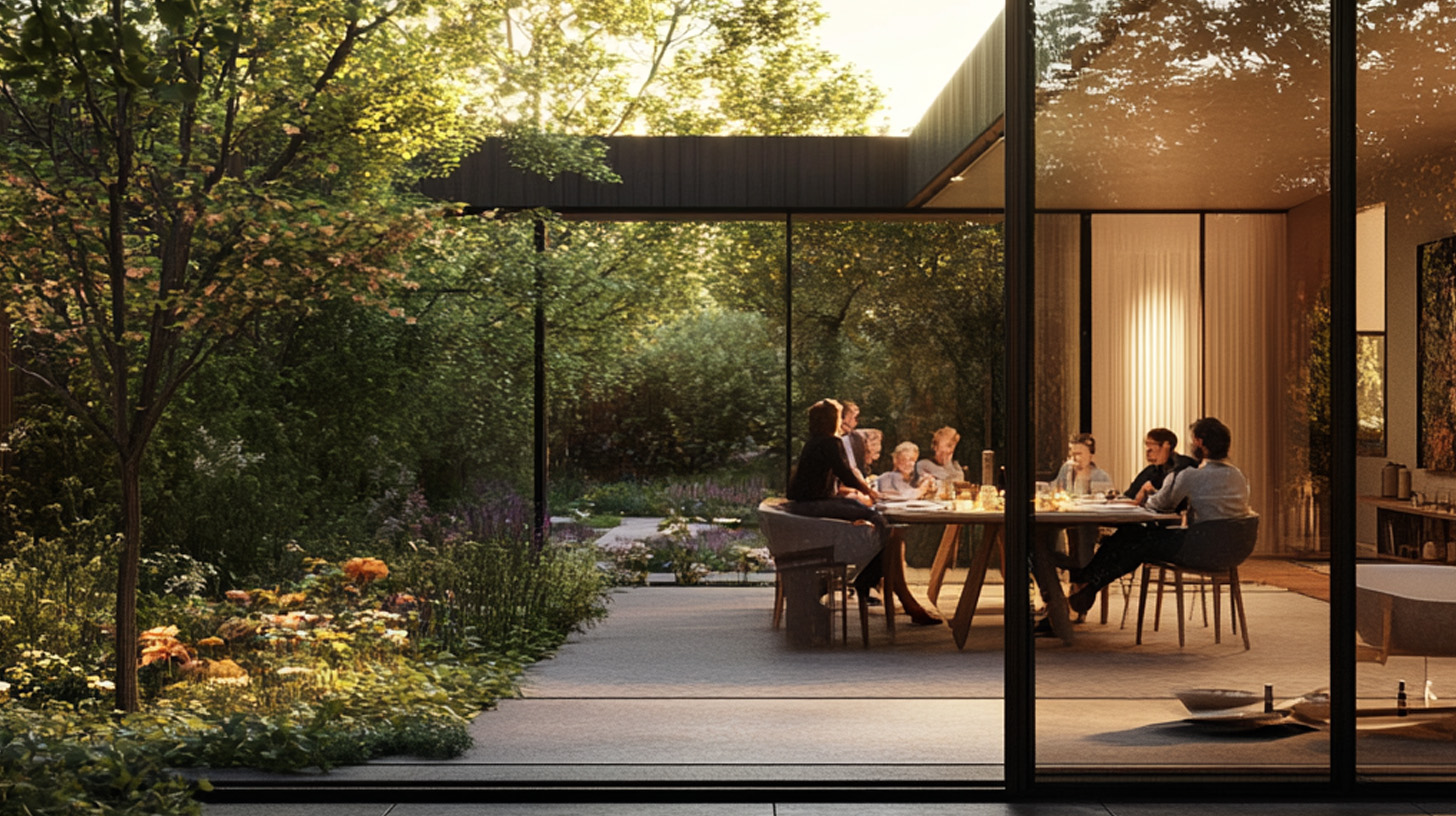
True future-proofing means the space flows — visually and practically — from kerb to back fence. Every surface, level, and transition should connect with intention. The thresholds between indoors and outdoors are not barriers — they’re invitations.
A great home doesn’t end at the patio door. It continues outward, softening, breathing, and becoming wilder — until it meets the sky.
Design for Movement, Not Just Moments
We live in fluid times. So why design static gardens?
Rather than creating spaces around fixed features — a trampoline here, a dining area there — we design for movement and patterns:
- How people arrive, navigate, pause, and gather
- Where they seek privacy or sun
- What light, shelter, or surface supports those behaviours
Designing for rhythm allows furniture, planting, or layout to shift as needed — without upheaval. We’re not designing a still life. We’re designing choreography.
A well-considered garden flexes with your days, your seasons, and your story — with quiet, enduring grace.
Choose Materials That Grow With You
Short-term materials create short-lived gardens. Future-proofing means choosing:
- Durable, repairable surfaces
- Structures that weather beautifully
- Planting that matures in place — not outgrows it
- Features that adapt over time without waste
Phased planting is one approach: early visual impact evolves into long-term structure. A tree may begin humbly, but in 20 years it will provide shade, presence, and ecological value no sculpture could match.
Every material choice is a commitment — not just to design integrity, but to ethical stewardship. Because longevity is a form of sustainability.
Build in Flexibility Without Losing Integrity
Some worry that future-proofing means compromise — that it strips away character.
But the opposite is true. True flexibility is the result of clarity and good design.
We incorporate quiet infrastructure: ducts that allow for future lighting, irrigation that can expand, raised beds that can change purpose, or surfaces strong enough to support new uses over time.
It’s not about leaving things unfinished — it’s about designing them to unfold.
A flexible garden is not generic. It’s deeply personal. It simply makes room for life to change.
Design for Life — All Life
A future-proof garden isn’t just human-centred — it’s ecologically intelligent.
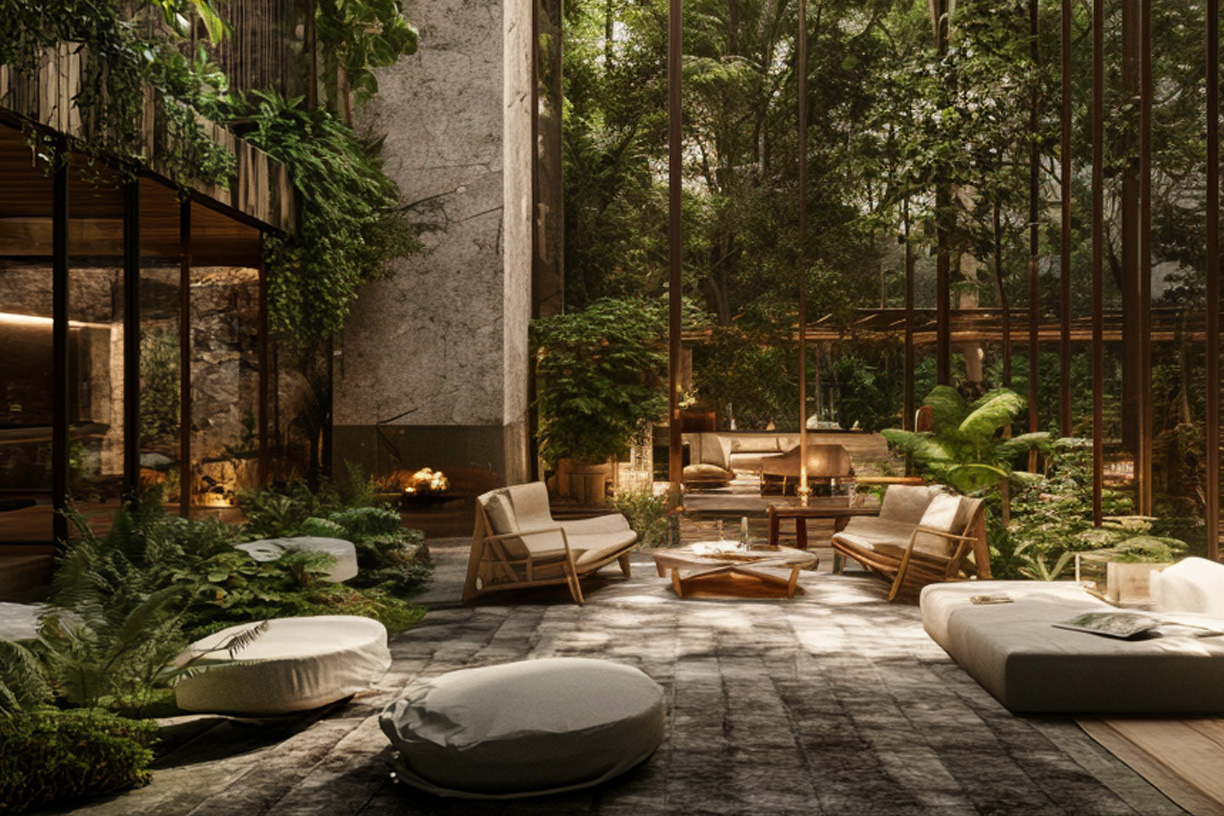
As it matures, it becomes a habitat. Birds nest. Pollinators return. Soil regenerates. If we design with ecological succession in mind — planning layers, diversity, and microclimates — we invite nature to stay.
These gardens become ecological connectors. Pollinator corridors. Wildlife passages. Part of a larger web stretching through neighbourhoods, across cities, and into the countryside.
You don’t need acres. Just intention. Native planting, open routes, layered hedgerows — they all help restore the balance.
A good garden doesn’t just look alive. It keeps life moving.
Climate-Resilient Design: Not Optional, Essential
The climate is changing — and gardens are frontline responders.
Future-ready gardens are climate-responsive:
- Permeable surfaces manage rainfall
- Native and adaptive plants survive temperature swings
- Shade, airflow, and microclimates buffer heat
- Integrated water storage supports resilience in dry spells
These aren’t extras. They’re essentials. And gardens offer a rare chance to meet these challenges not with fear — but with beauty, intelligence, and grace.
A Legacy You Can Stand In
What makes a design timeless?
When we look to figures like Frank Lloyd Wright, it wasn’t resistance to change that made their work last. It was clarity of purpose. Relationship to site. Harmony between form and function.
Wright didn’t separate homes from landscapes. He unified them. His work wasn’t timeless because it avoided trends — it was timeless because it embraced truth. And truth doesn’t expire.
That’s the challenge of future-proof garden design: not to guess what will matter, but to build from what already does. To ask, “What will still feel right in 50 years?” — and design for that.
Because when we do, we’re not just shaping gardens. We’re shaping culture.
Some gardens vanish with the trends. Others stay — and witness generations unfold.
We’ve designed play spaces that became wedding venues. Quiet terraces that held end-of-life care. Trees children climbed, then stood beneath to marry.
That’s what gardens do: they hold time.
Questions to Ask If You Want a Future-Proof Garden
- Who will use this space in 5, 10, or 25 years — and what might they need?
- Can this garden adapt as people age, families change, or seasons shift?
- Will the materials still look and function well in a decade?
- Does the planting plan mature gracefully — or will it need replacing?
- Is there room for the garden to evolve — physically, emotionally, and ecologically?
- What legacy does this garden leave — for you, your family, and the land itself?
Final Thought: A Garden That Outlives You (In the Best Way)
Designing a garden with the future in mind isn’t about giving things up. It’s about choosing what lasts — and building around that.
It’s the opposite of throwaway culture. It’s a quiet act of resistance — against surface thinking, short-term fixes, and shallow design.
When we create spaces that support not just one person, but a succession of lives and landscapes, we’re doing more than design work. We’re leaving behind something that matters.
Because a truly great garden doesn’t just serve you today.
It becomes part of what makes life feel whole — for everyone who steps into it, now and next.
That’s not compromise.
That’s legacy.
If you’re planning a garden and want it to last — not just physically, but emotionally and ecologically — we’d love to help.
Start with a conversation. Share your vision. Let’s create a space designed to grow with you.
Meta Description: Future-proofing a garden isn’t about guessing what’s next — it’s about designing with integrity today. Learn how to create a garden that adapts beautifully over time.
Suggested Social Post: Your life will change — your garden shouldn’t need to. Here’s how to design outdoor spaces that evolve with you, without losing their purpose or beauty.
Pull Quotes:
“A good garden supports the life the house is built for — not just who lives there now.”
“Designing for biodiversity is how we future-proof the planet — one space at a time.”
“Flexibility isn’t compromise. It’s foresight.”
“The house is where the roof begins — but the garden is where the home lives.”
“Legacy is built into the foundations, not added on top.”
“Gardens aren’t just designed for people. They’re designed for time.”